About
↓ SCROLLAt Tradition Reframed, we believe the world’s great weaving traditions deserve to be seen beyond their place of origin, bringing their beauty into contemporary interiors with respect and admiration.
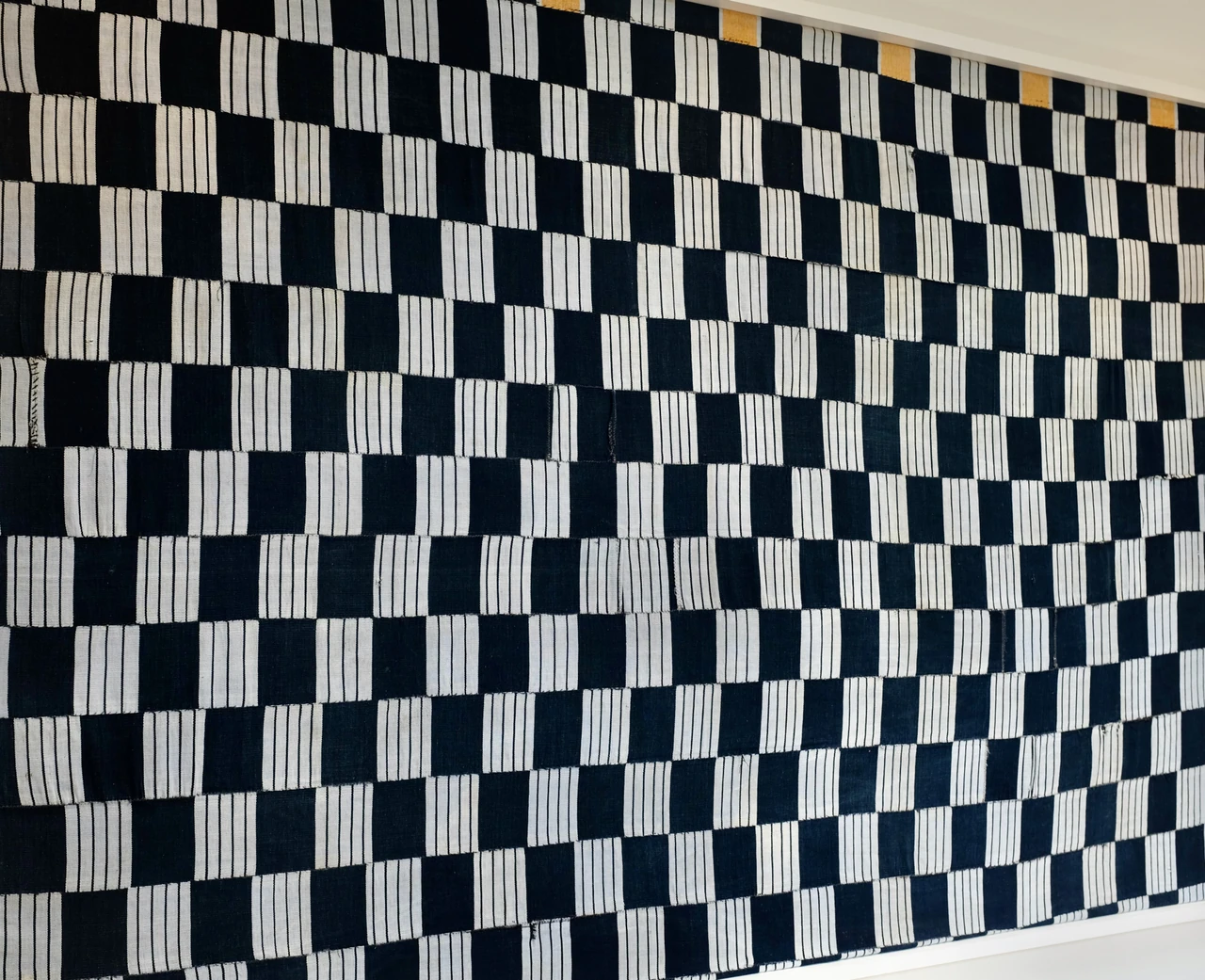
Ewe Cloth - Made by Ewe weavers in Eastern Ghana, Southern Togo, & West Benin
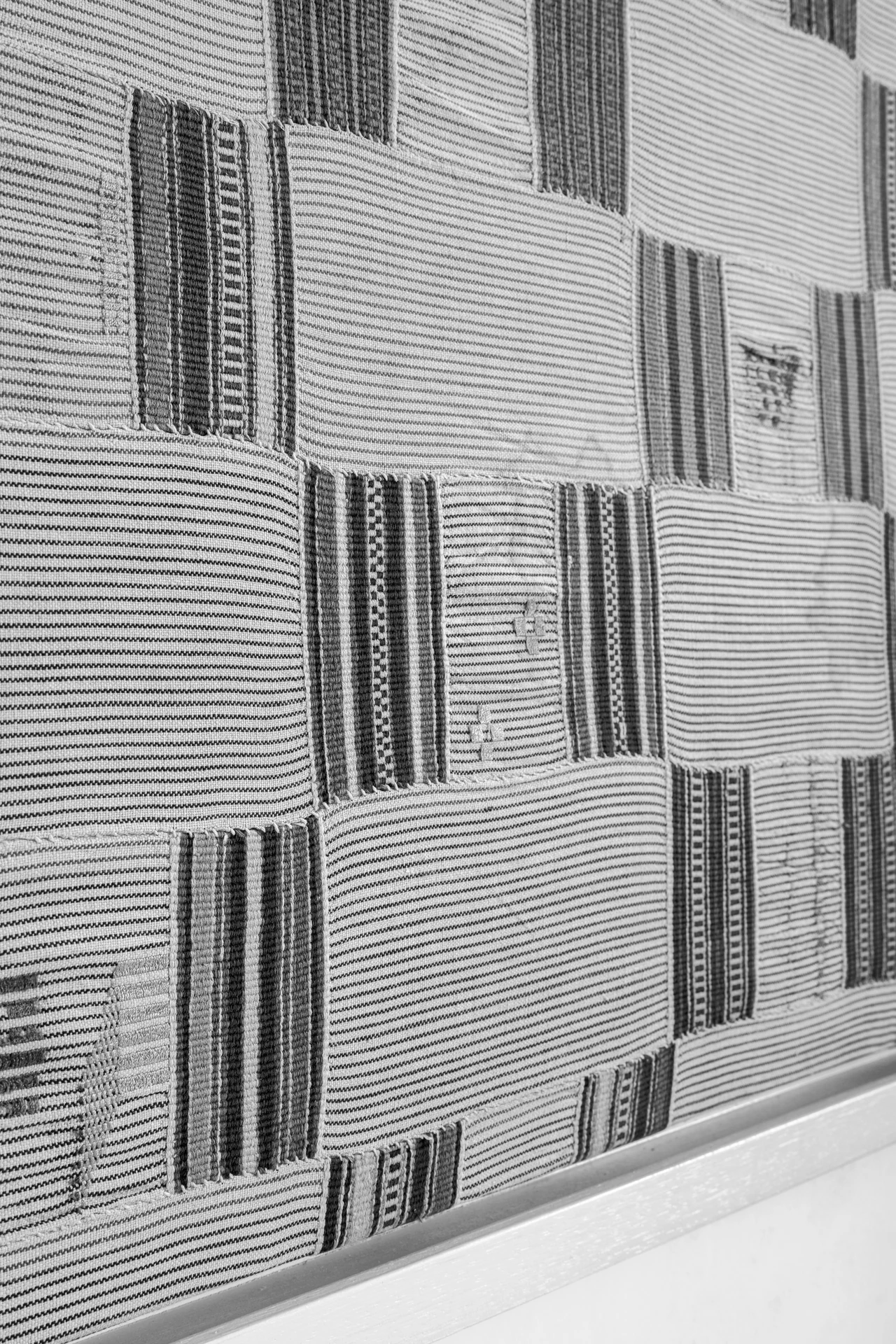
Kente Cloth - Made by Asante weavers in Central and Southern Ghana
Kente and Ewe cloths are woven from narrow strips made on double-heddle looms, stitched edge to edge to create larger textiles for dress and ceremonial use. Each strip combines two weaving modes: warp-faced sections, where vertical ribs dominate, and weft-patterned sections, where supplementary threads form checks, bars and rectangles. This contrast produces a striking rhythm and movement across the cloth.
Colours are deeply symbolic. Among the Asante, gold or yellow suggests wealth and royalty, black maturity and spiritual strength, and red both sacrifice and mourning. Ewe symbolism varies more locally, but white is widely used for purity, blue for peace, and green for growth.
These textiles are made from cotton, silk or rayon. Historically, silk reached Ghana via trans-Saharan trade from Asia and later through European imports, sometimes unravelled and rewoven into new designs.
Framing by Oli Parish (#theframerkernow)